What Is the Process of Ozonation?
Ozone is the second-strongest oxidant in existence, we uses this strong oxidization power to destroy any organic material by oxidizing it, this include bacteria, mold, or other organic material. Additionally, ozone has the ability to oxidize a number of trace metals , including iron, as well as some inorganic substances like calcium and arsenic.
One oxygen (O2) molecule is all that is left after the third oxygen atom has been used to oxidize an organic or inorganic contaminant. This is one reason why ozone is preferred to other chemicals as an oxidant because it does not leave any kind of chemical residue. Ozone gas is therefore used in water purification, commercial laundry, equipment sterilization, air sanitization, and mold removal. In the same way that it attacks bacteria and mold, ozone also targets grease and soil.
When it comes to water bottling, ozone treatment is the most common disinfection method. For this reason, the majority of water bottlers use ozone treatment to produce a product that is secure, palatable, aesthetically pleasing, and storage-friendly.
Some Ozone Facts
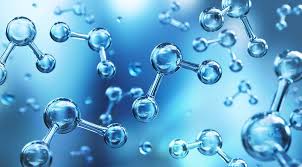
People from all over the world are taking advantage of this pure and natural form of oxygen and reaping its many advantages. It is a different type of oxygen (O3) where the oxygen molecule is made up of three atoms rather than the two found in regular oxygen (O2).
Ozone has these characteristics and has existed in nature since the beginning of time. You may be aware of some events, but you might be surprised by others. UV radiation from the sun is harmful and has a negative impact on people, animals, and plants. Our planet is shielded from these rays by the ozone layer in the upper atmosphere. Ozone in the lower atmosphere naturally purifies and sanitizes the water we drink, the air we breathe, and the food we eat. It is among the most reliable and secure.
People from all over the world are taking advantage of this pure and natural form of oxygen and reaping its many advantages. It is a different type of oxygen (O3) where the oxygen molecule is made up of three atoms rather than the two found in regular oxygen (O2).
Ozone has these characteristics and has existed in nature since the beginning of time. You may be aware of some events, but you might be surprised by others. UV radiation from the sun is harmful and has a negative impact on people, animals, and plants. Our planet is shielded from these rays by the ozone layer in the upper atmosphere. Ozone in the lower atmosphere naturally purifies and sanitizes the water we drink, the air we breathe, and the food we eat. It is among the safest and most efficient ways to get rid of bacterial, viral, and fungal activity.
It hunts down and destroys the organic molecules that give rise to a variety of indoor pollutants, including mold and mildew. Ozone quickly oxidizes pollutants, whether they are chemical or biological, by turning back into oxygen (O2) and adding a third oxygen atom to the offending substance. Ozone goes through three stages in its life cycle: creation, oxidation, and regeneration. Many of the pathogens and fumes that adversely affect the quality of the air and water are deodorized, disinfected, and destroyed by this highly efficient process.
Benefits of Ozonated Water
Pathogen eradication is one of ozone’s main advantages. Anything that causes a disease is a pathogen, such as:
• Bacteria (for instance, bacterial meningitis and strep throat)
• Viral agent (flu viruses, hepatitis A, B, and C, for instance)
• Fungi (candidiasis, athlete’s foot, etc.)
The following are the main potential advantages of ozone in drinking water:
• Kills viruses, bacteria, fungi, and algae on contact;
• Decomposes harmful synthetic chemicals into less dangerous molecules;
• Purifies blood of microorganisms by rupturing their cell walls;
• Kills some cancer cells, slows tumor growth, and may stop the spread of cancer;
• Provides more oxygen to the brain;
• Boosts the immune system.
 Nkosi Aqua